Run The Literature Review As A Searchable Research System
Use Deep Research to synthesize papers, compare findings, and save the topic as a searchable research trail instead of a one-off review.
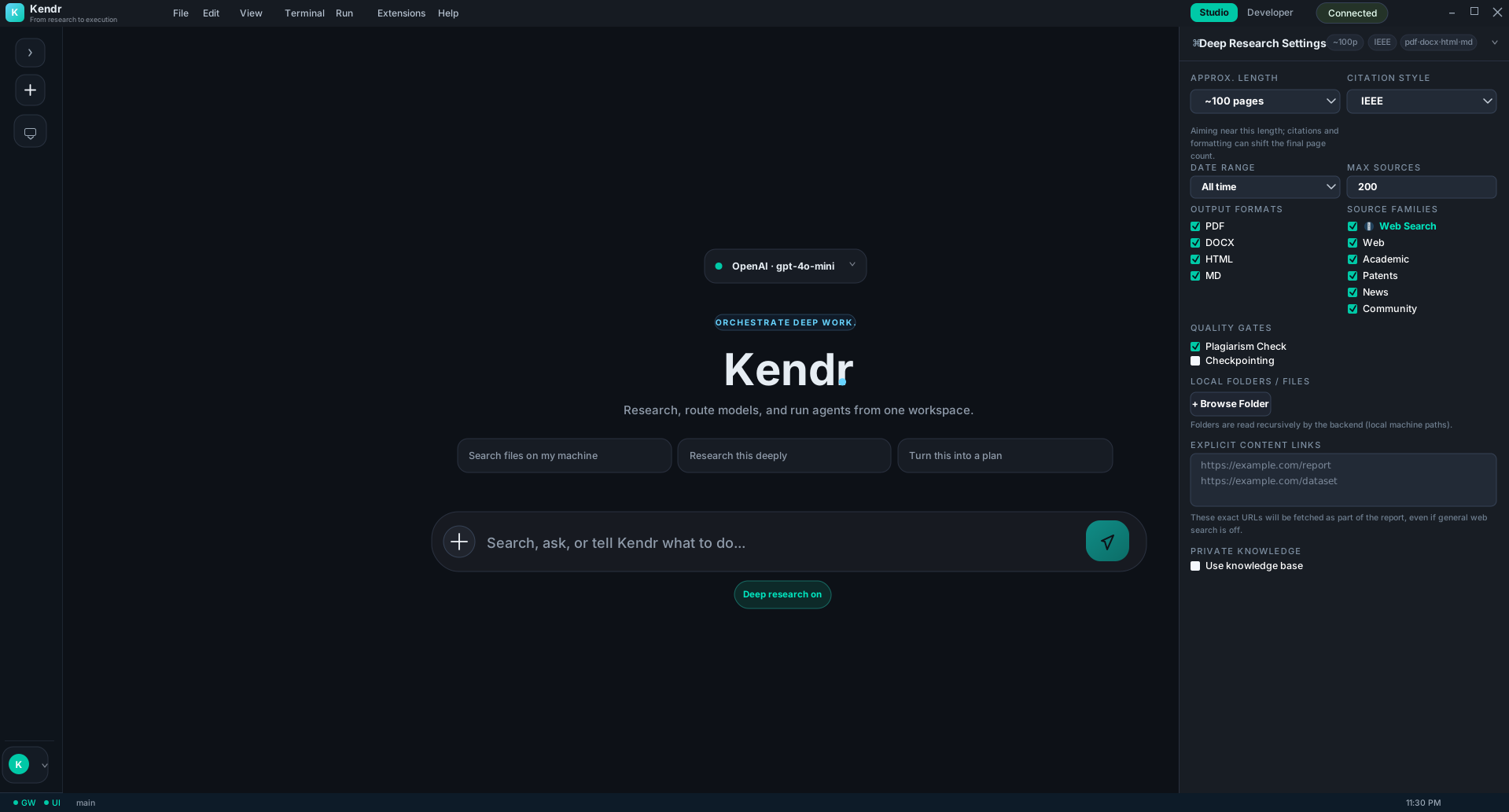
Primary workflow
Deep Research
Synthesize papers, methods, findings, and citations across a body of work.
Secondary value
Knowledge Base
Preserve the literature context for future questions and follow-up reading.
Why Kendr
Research that compounds
The key product promise is that one review makes the next one faster and better informed.
Use with a real topic
Run these prompts on an actual topic area. Later, replace the placeholders below with real literature syntheses, paper tables, and the resulting session memory.
What The Team Needs
A literature review needs to surface consensus, contradictions, methodological differences, and unresolved questions without losing the citations that make the review trustworthy.
What Kendr Should Produce
A cited synthesis, a structured comparison of papers, and a KB session that makes later follow-up questions easier to answer.
Run These In Kendr
Build a literature review on [topic].

Use the attached papers, references, and web sources if relevant.

I need:
- the main themes or schools of thought
- methodological patterns
- where findings agree or conflict
- the strongest cited evidence
- the most important open questions

Use citations throughout.
Compare the top papers on [topic].

Produce a structured table with:
- paper and year
- research question
- method
- sample or data source
- key finding
- limitation
- why the paper matters for our review
Create or update a knowledge-base session named literature-[topic]-[date].

Store the paper set, extracted notes, citations, and summary artifacts.

Then provide:
- what this literature base now covers
- what questions are easiest to answer from it
- what papers or evidence should be added next
What The Team Gets Back
Cited review
Add the literature summary generated from Prompt 01.
Paper comparison table
Insert the structured paper table from Prompt 02.
Open research questions
List the unresolved questions Kendr identifies.
Literature KB
Show the session and what future review cycles inherit.